robbie farmer

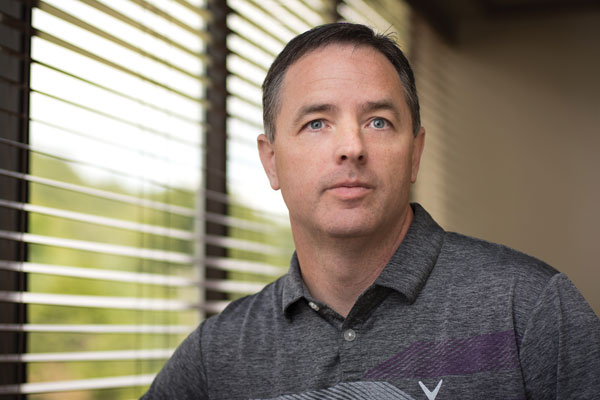
­­ Robbie Farmer – Executive Director of Engineering Operations

featuring a reliable plan

Historically, SkyLine is known as a forward-looking company—closely attuned to delivering the latest, affordable technology services to its members and customers so it continues to take bold steps in its network investment.

With technology as a major driver, SkyLine’s Robbie Farmer, who oversees network engineering, says his staff is always thinking ahead and planning for the future. “Everything we do every day revolves around broadband, and in our industry, change is constant. In the engineering group, the bar is set high by the nature of what we do and how quickly technology evolves – we are never satisfied.”

Increasingly, the services SkyLine offers are in some form of connectivity, and the expectation of reliability remains high. “With 90 percent of U.S. households having three or more Internet-connected devices and the average number per household now at 5.2 and climbing, we know our customers are utilizing the Internet more at home and in their businesses to sell their products and services. They depend on us to make it work.”

Farmer views the network group as the “man behind the curtain—you don’t necessarily know who we are but you know we’re always there, keeping things running. And from the network techs’ perspective, we want things to be predictable.”

A critical component to maintaining a reliable network is SkyLine’s Network Operations Center, or NOC. With more than 1,100 network elements across the company’s service landscape, Farmer defines the network as a living, breathing thing, and the NOC serves as a central monitoring hub, similar to having an extra set of eyes or another tech out in the field. As technology advances, the equipment SkyLine deploys gets more intelligent, so the network group uses that intelligence to communicate with the NOC, enabling SkyLine to be more proactive and more efficient with monitoring, upgrades and troubleshooting.

Network upgrades used to occur monthly and typically in non-peak usage times. Today, working in the network maintenance window is a daily exercise for SkyLine techs. Recently, SkyLine completed a major upgrade of two gateway routers that carry broadband traffic and interface with regional links. During the first phase of the upgrade, four trouble reports were cleared before the maintenance window of midnight to 6 a.m closed. The second, more challenging upgrade, resulted in zero troubles. Considering the upgrade involved nearly 19,000 broadband customers, Farmer said, “this should give our customers additional peace of mind, knowing that we’re focused on maintaining a cutting-edge network that works 24/7 to keep customer satisfaction at the highest level.”
quotes-left

What’s made an appreciable difference to managing our NOC is being proactive, having a well-trained staff—the right people in the right places–­­and planning.quotes-right

SkyLine maintains more than 1,100  elements across its network
The NOC also helps to quicken response times by linking to SkyLine’s new network fleet GPS system. By monitoring where our service vehicles are located, SkyLine can dispatch the nearest qualified technician to address a service issue. The NOC’s Change Control Calendar, implemented a few years ago, provides planning and advance communication to key departments when an upgrade or network activity is scheduled. “This has helped dramatically to have contingencies in place should any potential issues arise that could impact operations,” Farmer said.

The latest network enhancement, ROADM, is helping to eliminate network congestion between Central Office buildings, providing 400 Gbps of available transport for carrying Internet, video and many other types of traffic while ensuring that customers, now and in the future, will be able to get the fastest, most reliable broadband connections available.


 Above: SkyLine NOC helps to quicken response times by linking to SkyLine’s new network fleet GPS system.